
5 Signs Your Child Might Need Professional Counseling

Tahamira Armin
MA PSYCHOLOGY,PGDPC
Table of Contents

Picture this: It’s 7:45 AM, the school bus is five minutes away, and your child is having a full-blown meltdown over a pair of socks. Or maybe it’s late at night, and you’re lying awake worrying because your once chatty teenager hasn’t come out of their room all weekend.
Parenting is an incredible journey, but let’s be honest it can also be deeply exhausting and confusing. There is no manual for this. As parents, we are constantly trying to figure out if our kids are just going through a “normal phase” or if something deeper is bothering them. According to the World Health Organization, 1 in 7 kids and teens experiences some form of mental health struggle, yet so many go unnoticed.
If you’ve been secretly asking yourself, “Does my child actually need professional help?” please know that you are not alone, and you haven’t failed.
Second-guessing our parenting instincts is incredibly common. We hope the aggressive tantrums, the silent dinners, or the sudden drop in grades will just magically fix themselves. But sometimes, love and patience at home aren’t quite enough. That is where child counseling comes in. Therapy isn’t a punishment for bad behavior. It’s a safe, supportive space where kids learn how to handle their big feelings. Let’s walk through the five undeniable signs that it might be time to reach out for a little extra help.
What is Child Counseling, Really?

Before we get into the signs, let’s clear up a huge misconception: taking your child to therapy doesn’t mean they are “broken.” It means you are giving them the tools to build emotional resilience.
Kids don’t process the world the way we do. When an adult is stressed, they might call a friend or say, “I’m feeling really overwhelmed today.” A child doesn’t have that vocabulary. Instead, their stress shows up in their actions—slamming doors, refusing to eat, fighting with siblings, or withdrawing completely.
Counseling for child behavioral issues bridges this gap. Therapists use age-appropriate methods—like play therapy for younger kids or conversational Cognitive Behavioral Therapy (CBT) for teens—to help them express what’s hurting on the inside. Getting help early doesn’t just stop the daily arguments at home; it sets your child up for a much happier, emotionally balanced adult life.
1. Unexplained and Frequent Outbursts
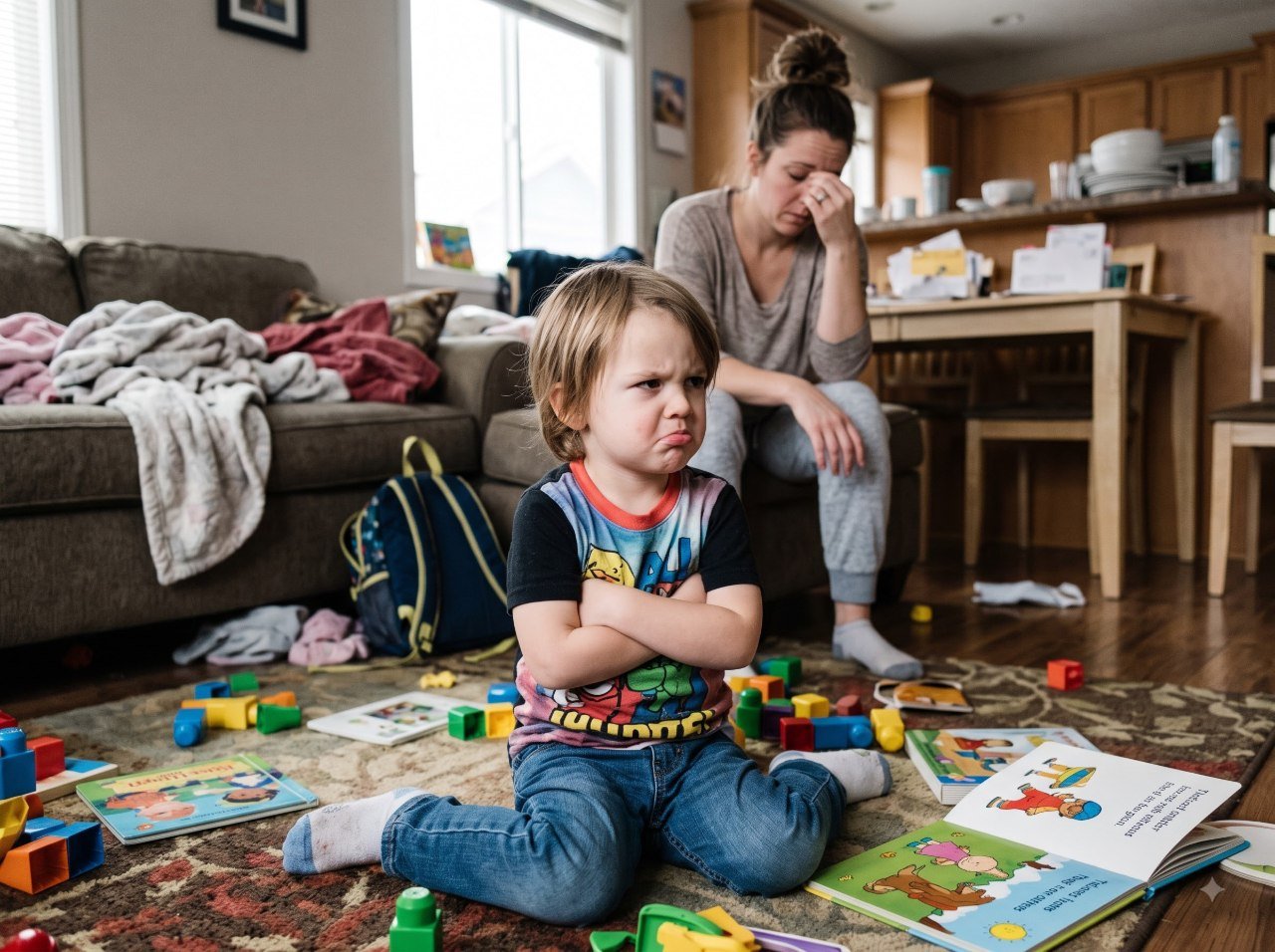
It is completely normal for kids to get mad. Testing limits is just what they do! But there is a big difference between a normal tantrum (like crying over not getting ice cream) and a massive 45-minute meltdown over a small change in plans.
Watch out for these signs:
Their anger is way too big for the situation.
Hitting, kicking, or biting is becoming a daily habit.
When this happens, your child isn’t trying to be “bad.” Their little brain is simply overloaded. They are drowning in big feelings they don’t know how to handle.
This is where child anger management therapy comes in. Instead of giving endless time-outs, a counselor figures out exactly why your child is so angry. If you are exhausted looking for the right therapy for stubborn and aggressive child behaviors, a professional can help. They will teach your little one how to calm down and use their words instead of their fists.
2.Sudden Changes in Sleep, Appetite, or Mood
Has your normally energetic, goofy kid suddenly turned quiet and tearful? Are they pushing away their favorite meals, or maybe binge-eating snacks for comfort? Perhaps they are suddenly terrified of the dark again and ending up in your bed every night.
When kids are struggling emotionally, it almost always shows up in their bodies first. Severe stress, bullying, or fear can even cause physical pain—like those mysterious stomachaches or headaches that always seem to happen right before the school drop-off.
If you are a parent dealing with this locally, exploring childhood anxiety treatment Kolkata can provide immense relief. A counselor will gently help your child unpack their worries and teach them grounding exercises to feel safe again. (Want to know more about the physical signs of anxiety? Check out these resources from the Centers for Disease Control and Prevention (CDC).)
3. A Severe Drop in Focus or School Grades
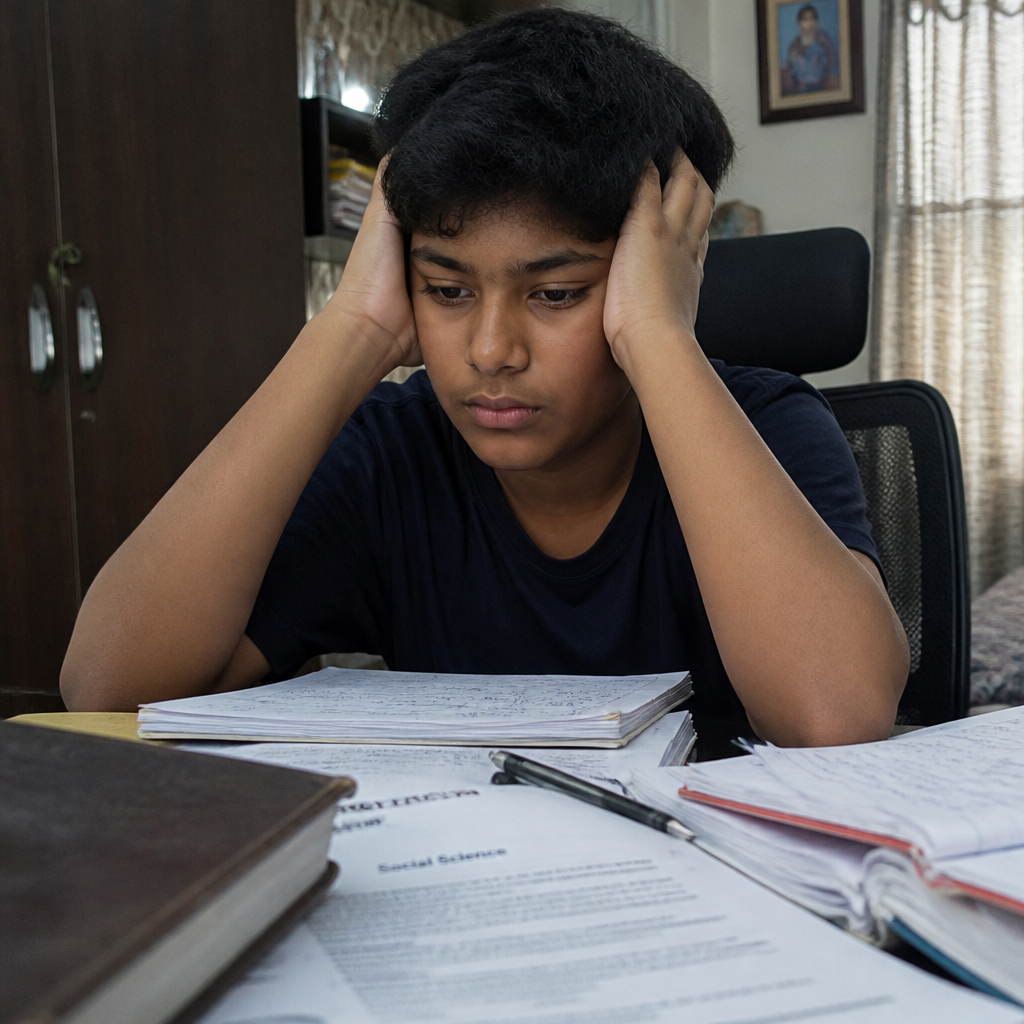
Let’s be realistic—nobody gets perfect grades all the time. A single bad math test is nothing to lose sleep over. But if your previously motivated child is suddenly failing multiple subjects, or if you keep getting emails from teachers saying they can’t stay in their seat or finish tasks, it’s time to lean in closer.
Chronic forgetfulness, inability to focus, or tears of frustration every time you bring out the homework can point to executive functioning struggles. ADHD counseling for kids is fantastic for this. A therapist doesn’t just work with the child; they work with you to create a home environment that matches how your child’s brain works. This ensures your child doesn’t start calling themselves “stupid” just because they learn a little differently.
4. Obsessive Screen Time and Digital Dependency
We live in a digital world, and kids are going to be on screens. But when the iPad or smartphone becomes the only thing that calms your child down, you’ve hit a danger zone.
Try taking the device away. Does it result in a minor groan, or does it trigger extreme panic, aggression, and a complete meltdown? High screen time artificially floods a child’s brain with dopamine, making real-life conversations and outdoor play feel incredibly boring to them.
Screen time addiction therapy for children is specifically designed to break this dependency. A therapist helps you set boundaries that actually work without ruining your relationship with your child. More importantly, they figure out why your child is hiding in the digital world—is it social anxiety, bullying, or just habit? (For a great guide on setting digital boundaries, read through the American Academy of Pediatrics (AAP) Screen Time Guidelines.)
5.Social Isolation or Major Behavioral Shifts in Teens
Teenagers are famous for their mood swings—it’s a chaotic time of life. But intense social isolation, quitting the sports or hobbies they used to love, or making hopeless, self-deprecating comments is not just standard “teenage angst.”
If your teen is treating their bedroom like a fortress, refusing to hang out with old friends, or acting out in risky ways, they are asking for help in the only way they know how.
Being a teen today is undeniably hard, especially with the added pressures of social media. Adolescent counseling provides a confidential, neutral third party. Sometimes, teens just need an adult to talk to who isn’t their parent—someone they can be entirely honest with about peer pressure, identity, and stress without fear of getting grounded.

Finding the Right Support: Spotlight on Mind Ethics

Realizing your child needs help is one thing; actually finding the right person to trust with your child’s heart is another. You need someone who is highly qualified, deeply empathetic, and a great personality fit for your family.
If you are looking for the best child counselor in Kolkata, Tahamira Armin at Mindethics is an exceptional resource. Holding a Master’s degree in Psychology from Burdwan University , Tahamira brings a incredibly warm, human-first approach to pediatric and adolescent mental health.
At Mind Ethics, Tahamira specializes in creating a safe, engaging space where kids and teens actually want to open up. Her dual background means she doesn’t just look at the child in isolation; she looks at the whole picture—school dynamics, family life, and social pressures. Whether your family is navigating intense screen addiction, ADHD, or a teen’s social anxiety, Tahamira provides evidence-based, compassionate care that feels like a partnership, not a clinical lecture.
How do I know if my child needs therapy right now?
Can too much screen time really cause behavioral issues?
Is adolescent counseling different from counseling for younger kids?
Will the therapist just put my child on medication?
Bringing Peace Back to Your Home
Seeing your child struggle is universally one of the most painful experiences a parent can go through. But please remember: asking for professional help is an act of profound love and strength. From taming those exhausting daily tantrums to helping your teenager navigate the heavy weight of the world, child counseling is a lifeline.
If you are noticing these signs, don’t just hold your breath and hope the storm passes. Early intervention gives your child the emotional armor they will rely on for the rest of their lives.
Take a deep breath, and take that first step. Schedule a consultation with Tahamira Armin at Mind Ethics today, and start building a happier, healthier, and more peaceful future for your family.